Teacup Embroidery Design: A Boutique Designer's Review
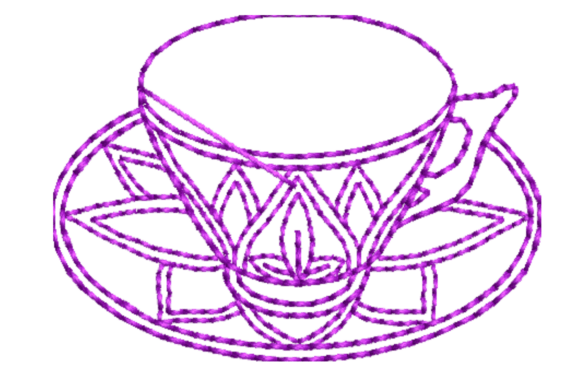
As someone who designs custom apparel for a small boutique brand, I'm always on Creative Fabrica looking for embroidery files that can elevate a simple garment. When I first saw the Teacup embroidery design, it immediately struck me as having a certain decorative strength. It’s not just a simple icon; it carries a classic, almost rustic charm with a touch of feminine detail that feels both timeless and current. This isn't a bold, loud graphic—it’s a premium, stylish accent.
The Visual Mood: Perfect for Cozy Apparel Collections
The Teacup design has a personality that leans toward cozy and classic. It feels like it belongs on garments meant for relaxation, comfort, and gentle moments. That visual mood makes it a natural candidate for a sweatshirt or hoodie collection. Imagine it on a neutral cream sweatshirt: the design would pop with a quiet sophistication. On a pastel hoodie, it would enhance the soft, gentle aesthetic without overpowering it. Even on a dark garment, with the right thread color contrast, it would become a striking, elegant focal point.
This isn’t a minimal design, but its details are balanced. It doesn’t feel overly dense or busy, which is a key consideration for apparel. A design that’s too stitch-heavy can be stiff and uncomfortable on stretchy fabrics like fleece. From a glance, Teacup appears to have a level of detail that should translate well to fabric, provided it’s stitched with care.
Placing Teacup on Your Boutique Apparel Projects
For my planned collection, placement is everything. A machine embroidery design like this offers versatile application points that can define a product's feel.
Sweatshirt & Hoodie Chest Placement
A small, centered chest placement is a classic choice. For Teacup, this would create a branded, boutique look—like a signature for a lifestyle brand centered around comfort and home. It’s a subtle marker that adds value and identity to a basic sweatshirt.
Sleeve Accents & Back Designs
As a sleeve accent, Teacup could work beautifully on the forearm of a hoodie or the shoulder of a denim jacket, adding a playful, custom touch. For a more statement piece, a larger version on the back of an oversized garment could be stunning, especially for tote bags or as a central feature in lifestyle product photos for your Etsy listings.
T-Shirts, Totes, and Beyond
On a t-shirt, it would need careful hoop size consideration to ensure it sits well on a lighter, more drapey fabric. For tote bags, it’s a perfect fit, adding that handmade product touch that customers love. This design has the potential for strong visual consistency across a range of products—from apparel to linens—helping build product recognition for your small shop.
Practical Designer Notes: Testing Before Stitching
Any professional embroidery designer knows that the digital file preview is just the starting point. Before committing Teacup to a production run for commercial embroidery products, a series of practical checks are non-negotiable.
- Test on Scrap Fabric: Always stitch it out on a scrap of the actual garment fabric you plan to use—whether it’s sweatshirt fleece, ribbed knit, or canvas for a tote.
- Check Stabilizer Choice: The right stabilizer is crucial, especially for stretchy fabrics or curved surfaces like sleeves, to prevent puckering.
- Review Thread Color Contrast: Play with thread colors. On dark apparel, a lighter, contrasting palette might be needed to make the details stand out.
- Inspect Stitch Density: Look closely at the stitched-out sample. Are there areas within the design that are overly dense? High stitch density on stretchy fabric can lead to distortion or discomfort.
- Compare Placement Options: Hoop a few different garment sections to see how the design behaves. Sometimes a design looks perfect on a flat piece but pulls or wrinkles on a seamed area.
It’s also vital to confirm the Creative Fabrica product details and licensing before selling finished apparel. I always advise checking the specific embroidery file formats, any recommended hoop size, and the commercial use terms directly on the product page. These details are your blueprint for a successful, professional project.
Where to Use Teacup with Extra Care
While Teacup seems versatile, some applications require a designer’s cautious eye.
- Very Small Chest Placement: If you reduce the size significantly for a tiny logo, fine details might get lost or become too dense.
- Dense Stitch Areas: If the design has sections with a high stitch count, applying it directly on stretchy fleece or ribbed fabric without proper stabilization could be problematic.
- Dark Garments: The choice of thread becomes paramount here. A lack of contrast will render a lovely design invisible.
- Tiny Lettering: If the design incorporates any small text, test it thoroughly. Small lettering on textured fabric can be challenging to stitch cleanly.
Building Brand Value with a Single Design
A well-executed embroidery design like Teacup does more than decorate a garment. It affects the perceived value of your apparel. It signals attention to detail, which builds buyer trust. It creates a professional presentation that stands out in Etsy listings and social media graphics. When used consistently across a collection, it fosters visual consistency and strengthens your brand identity.
For creative entrepreneurs and handmade business owners, these digital embroidery files are tools for customer engagement. A beautifully embroidered Teacup on a cozy sweatshirt tells a story. It suggests a brand that cares about craft and aesthetic. It turns a simple hoodie into a boutique brand product, ready for a printable mockup that captures a lifestyle.
In the end, my judgment as a designer is that the Teacup embroidery design from the Tea Coffee category on Creative Fabrica holds real potential for apparel decorators. Its classic, stylish flair, balanced detail level, and cozy mood align perfectly with current trends in boutique apparel. With thorough testing and mindful application, it can become a valuable asset in your collection, elevating everyday garments into special, branded pieces.