Lighting Duck Outline: A Craft Fair Designer's Review
From the perspective of an embroidery designer preparing products for a weekend craft fair booth, every design gets a practical review. Does it look good in person? Is it practical to produce in batches? Will it catch a customer's eye from across the table? Today, I’m evaluating the Lighting Duck Outline embroidery file for handmade market products.
First Impression: Festive, Bold & Decorative
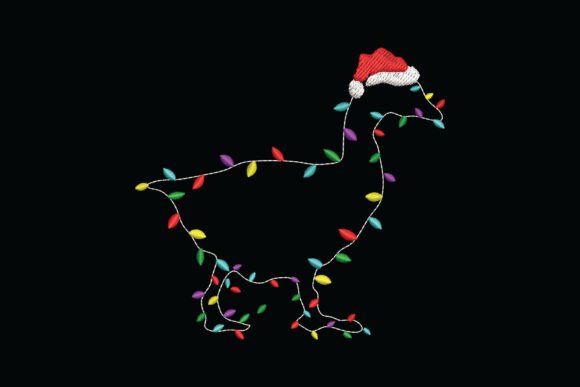
The immediate feeling from the title Lighting Duck Outline is festive, bold, and decorative. It suggests a clear, graphic silhouette—an outline style that is inherently modern and graphic. This is a strong starting point for a craft fair product. In a crowded booth full of embroidered tote bags, aprons, and pillow covers, a clean, bold outline can stand out because it’s easy to understand at a glance. Customers don’t have to puzzle over tiny details; the personality is delivered in the shape itself. It leans into a playful, almost rustic charm, perfect for handmade gifts.
Where It Stands Out on the Display Table
Imagine your booth: a table laden with embroidered tote bags, aprons, tea towels, patches, caps, small pouches, pillow covers, and market bags. Lighting Duck Outline would have its best chance to sell as a focal point on medium-to-large items. A tote bag or a pillow cover gives this design the space it needs to feel intentional and decorative. On a tea towel or apron, it becomes a charming, fun accent. I would avoid making it too small; an outline design can lose its boldness and become merely a speck if scaled down excessively on, say, a cap or a tiny pouch.
For visual impact at the fair, I’d create one standout sample—perhaps a pillow cover with the duck embroidered in a contrasting, festive thread color against a neutral fabric. This creates a “hero” product that draws people in. Then, offer variety: the same design on a sturdy canvas tote bag and a classic kitchen towel. This shows versatility and lets customers imagine it on different products.
Practical Production for Batch Selling
As a small shop owner producing items for a fair, ease of stitching and repeatability are key. The description notes this machine embroidery design is “easy to stitch and full of personality.” This is promising for batch production. Outline designs typically have less stitch density than filled designs, which means faster stitching times and less wear on your machine and threads. This is a major advantage when you need to produce twenty tote bags for Saturday’s market.
- Stitch Density & Fabric Choice: Lower density is generally easier on thicker fabrics like canvas for bags or on textured surfaces like tea towels. You’ll still need the right stabilizer, but puckering risks are reduced.
- Thread Colors & Contrast: The outline style means your thread color choice is absolutely critical. Test on scrap fabric first. A dark duck on light fabric screams “graphic,” while a metallic or bright festive thread on dark fabric can look premium and eye-catching. For Christmas, a gold or silver thread could elevate the entire feel.
- Hoop Size & Scaling: You’ll need to confirm the included hoop size details from the designer, but outline designs often scale well within reason. Avoid scaling it so small that delicate lines merge or break. Test a small version on a cap or pouch if you intend to sell that; not all designs translate perfectly to curved cap surfaces.
The Photograph & The Product: Selling Online & In Person
For your Etsy listing or online shop, this design photographs beautifully. Clean outlines against solid fabrics create crisp, high-contrast images that look professional in printable mockups and photos of finished products. Customers browsing online get a clear sense of the product. In person at the fair, that same clarity works. The design isn’t “busy,” so from a few feet away, a customer can recognize the charming duck shape and approach your table.
This visual appeal directly affects perceived product value. On a well-made tote bag, a bold, clean embroidery design looks intentional and skilled—it enhances the handmade quality. It feels like a designed product, not just a random motif, which strengthens your brand consistency if your booth leans towards modern rustic or festive decor.
Careful Use Notes for a Perfect Finish
Even with an “easy to stitch” design, professional practices ensure your craft fair products look flawless.
- Always Test on Scrap: Run the Lighting Duck Outline file on a scrap of the actual fabric you’ll use—be it canvas, cotton, or linen. Check for thread tension, stitch density suitability, and any potential for snagging on textured towels.
- Inspect Stitch Spacing: Outline designs rely on the spacing between lines. Ensure the design’s internal details (if any) aren’t too tiny to stitch cleanly on your chosen fabric.
- Contrast is King: Compare fabric colors. On dark fabric, you may need a brighter or lighter thread. On light fabric, a dark, rich thread creates a strong graphic. Poor contrast makes the design fade away.
- Create a Real Mockup: Before batch production, stitch one complete, finished product. This reveals real-world issues like how the design sits on a tote bag’s pocket area or on a pillow’s corner.
- Confirm Commercial Licensing: Before selling any finished product at your fair or online, verify that your purchase of this digital embroidery file includes commercial use. This is a non-negotiable step for any serious maker.
Customer Attention & Booth Engagement
Lighting Duck Outline, by its nature, invites engagement. It’s likely cute and playful. At a Christmas market, it taps into festive, decorative themes without being a direct Santa or tree. This can attract customers looking for something unique. You can enhance this by displaying it on products that suggest use—a market bag for holiday shopping, a tea towel for festive baking, a pillow cover for seasonal decor. This helps the customer visualize the product in their life, moving them from “that’s cute” to “I need that.”
The design’s strength for a boutique maker is its versatility across products, but my final recommendation is to focus. Don’t try to offer it on every possible item. Choose two or three products that showcase it best—like a tote, a tea towel, and a patch. This creates a cohesive collection at your booth and simplifies your production. Batch produce those items, ensuring each is made with care. A well-executed, bold Lighting Duck Outline on a few perfect products will sell better than a mediocre version on fifteen different items.
In the end, from my designer’s view, this machine embroidery design has solid craft fair potential. It’s graphic, festive, and production-friendly. With careful testing, smart color choices, and a focused product strategy, Lighting Duck Outline can become a standout, saleable part of your handmade product line this season.