A Practical Review of Thankful Pumpkins Embroidery
The Warm First Impression
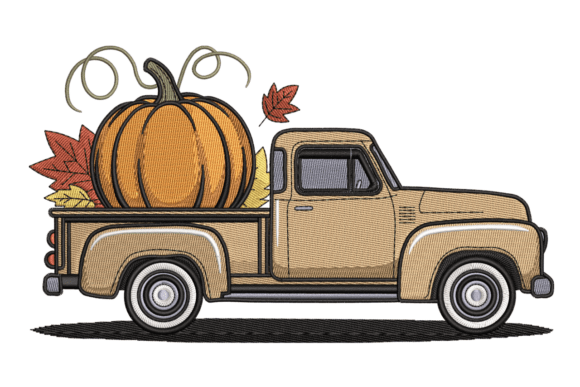
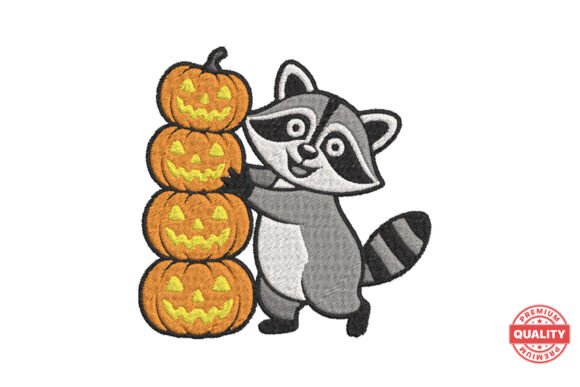
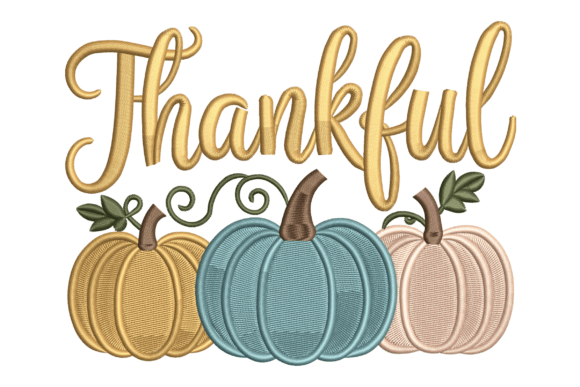
When I first looked at the Thankful Pumpkins design, my immediate thought was of a cozy, handmade Thanksgiving feeling. It’s not just a pumpkin motif; it evokes a sense of gratitude and rustic charm. The layout feels balanced, decorative without being overly busy, and the detail level suggests it will translate well into stitches. This isn’t a hyper-realistic design—it has a stylized, almost folk-art personality that I think would resonate deeply with customers looking for that authentic handcrafted texture.
Where It Naturally Belongs
This embroidery design instinctively feels destined for projects where warmth and personal touch are paramount. I envision it beautifully stitched onto a linen pillow cover for a holiday home, or as the focal point on a canvas tote bag meant to carry groceries from a fall farmers’ market. It would be perfect for a custom apron, adding a festive touch to kitchen gatherings, or elegantly placed on the corner of a high-quality cotton tea towel as a giftable kitchen accessory. For small business owners, especially those selling on Etsy or at craft fairs, this design could become a staple for seasonal merchandise—think embroidered sweatshirts or baby bibs for the holiday.
Performance in Real-Life Projects
My professional judgment is to consider how Thankful Pumpkins will perform when the needle actually hits the fabric. On a medium-weight cotton sweatshirt, with proper stabilizer, I anticipate the design will pop with clear, crisp definition. The decorative elements should provide good visual interest without creating overly dense stitch areas that could make the fabric stiff. For a personalized gift like a baby blanket or nursery decor item, the design’s thematic warmth would be a huge selling point, literally increasing the perceived value and giftability of the finished product.
For apparel decorators and boutique owners, using this on a high-quality garment instantly elevates it from a standard item to a unique, handmade presentation. This builds customer trust and brand consistency for shops specializing in seasonal goods. In printable mockups for digital product sellers, Thankful Pumpkins would showcase well, allowing potential buyers to clearly envision it on their own projects, which boosts buyer engagement for the embroidery file itself.
A Scenario: The Custom Holiday Tote
Let’s walk through a real case. I’m preparing a batch of custom embroidered tote bags for a small shop’s Thanksgiving line. I choose Thankful Pumpkins. After testing it on scrap canvas first, I note the stitch clarity and how the satin stitch and fill stitch areas interact. On the final bag, positioned centrally, the design creates an immediate mood of gratitude and rustic elegance. A customer sees it—they’re not just looking at a bag; they’re imagining carrying it to a family gathering, or using it as part of their holiday decor. That emotional connection, forged by a well-executed embroidery design, is what turns a craft business item into a sought-out product.
Points for Careful Application
While Thankful Pumpkins is versatile, a realistic review means noting where to use it carefully. On very small hoop sizes, some of the finer decorative details might lose definition. I would be cautious with highly textured or very thin fabrics, as the design’s integrity could be compromised without meticulous stabilizer choice. Stretchy fabrics like certain t-shirts require extra testing to prevent distortion.
Embroidering on dark fabric demands careful thread color contrast planning—test it in a black-and-white mockup first to check value relationships. Applying it on curved surfaces like caps requires considering the design’s layout to ensure it fits the contour gracefully. For products destined for frequent washing, like apparel or kitchen towels, ensuring the stitch density is appropriate for durability is key. Always check the specific licensing terms for this digital embroidery file before using it in commercial embroidery projects or selling the finished products.
Designer Notes for a Smooth Stitch
Here are my practical, friendly notes for anyone using this design:
- Always test on scrap fabric first. Use the same material and stabilizer you plan for the final project.
- Review the stitch density by looking at the embroidery file in your software. Does it look balanced for your target fabric?
- Confirm the necessary hoop size for your machine to accommodate the entire design comfortably.
- Inspect the small details in the design preview. Are there any tiny corners or accents that might need slight adjustment for your specific machine embroidery setup?
- Plan your thread colors not just for light backgrounds, but compare how they’ll look on dark fabric backgrounds. A different palette might be needed.
- For craft business items, using this design consistently across a product line (e.g., on aprons, towel sets, and patches) enhances professionalism and recognition.
- Remember, a successful finished product hinges on pairing a great design like Thankful Pumpkins with proper technique.
The Impact on Your Creative Work
Ultimately, adopting Thankful Pumpkins into your workflow affects more than just the stitch. It enhances the visual appeal of your creations, providing that unique handcrafted feel the description promises. For creative entrepreneurs, it becomes a reliable design asset for the holiday season. It can increase the perceived value of personalized gifts and small shop merchandise, making your offerings stand out in a crowded marketplace. When a design stitches out well and resonates emotionally, as this one should, it directly supports your reputation as a maker.
The key is to approach it with this practical, confident mindset: see it not just as an embroidery file, but as a component that, when executed thoughtfully, becomes part of a beautiful, tangible story for your client, your customer, or your own home. That’s the real power of a well-chosen machine embroidery design.