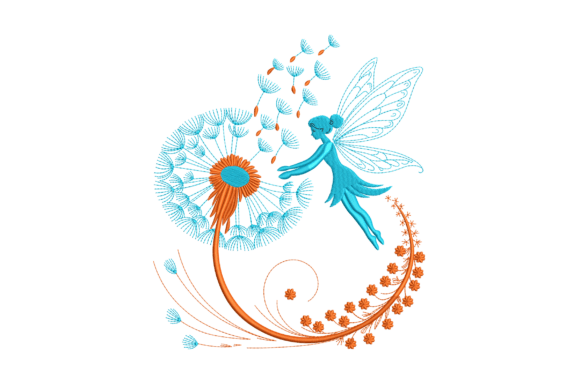
The Fairy and Dandelion Embroidery Design: A Practical Review
When you download an embroidery file, you’re not just getting stitches; you’re investing in a future project. The ‘Fairy and Dandelion’ design landed in my library recently, and I’ve been evaluating it with that exact mindset: where does this belong in real life, on real fabric, for real clients or gifts? Here’s my straightforward, practical judgment as a designer who puts embroidery to work.
First Impressions: Whimsical, But Grounded
The name ‘Fairy and Dandelion’ from the Fairy Tales category suggests a certain whimsy, but this isn’t a overly saccharine, childish motif. My first impression was of a modern, gentle narrative—a fairy interacting with the dandelion seeds creates a sense of lightness and magic, but with a clean, contemporary line quality. The layout feels balanced, not overly cluttered, which is crucial for translating well into stitching. The detail level appears thoughtful; it suggests texture without being impossibly dense. This visual personality feels versatile. It doesn’t scream ‘baby’ or ‘holiday’ exclusively; it whispers ‘special accent.’ That’s a powerful starting point for a machine embroidery design.
Where This Design Naturally Thrives
Let’s talk application. I immediately pictured this on a linen tote bag for a boutique—a subtle, artistic brand enhancer. On a soft cotton sweatshirt, it becomes a personalized gift with a story. For a small shop selling nursery decor, it could be stunning on a pillow cover or a lightweight blanket corner. The fairy tale theme, handled this way, has broad giftability: think birthday presents, wedding favors, or a simple ‘just for you’ embroidered tea towel. For Etsy sellers and craft fair vendors, this design offers an eye-catching accent that can elevate basic items like aprons or kitchen towels into something that feels handmade and considered. In my mental catalog, I’m filing it under ‘designs that add perceived value without overwhelming the product.’
A Real Project Scenario: The Custom Tote
Imagine preparing a custom embroidered tote bag for a client’s small business. They want something unique but not loud. ‘Fairy and Dandelion’ comes to mind. The flow of the dandelion seeds offers a natural, organic shape that complements the bag’s fabric. I’d consider thread colors—perhaps soft greys and a hint of gold for the fairy’s details against a natural linen. The finished product would feel professional, not amateurish, boosting customer trust in the handmade presentation. It’s this kind of practical fit that makes a digital embroidery file a worthwhile asset for creative entrepreneurs.
Performance Considerations and Careful Use
No design is universal, and practical success hinges on matching the design to the substrate. For ‘Fairy and Dandelion,’ the likely areas of fine detail—the fairy’s features and the delicate dandelion seeds—mean you need to be mindful on textured or highly stretchy fabrics. Thin t-shirt material might require extra stabilizer and a lighter stitch density to prevent puckering. On curved surfaces like caps, the design’s overall shape would need to be checked for placement to ensure the fairy remains clear.
Dark fabric backgrounds are a classic test. This design, with its likely use of fill stitches and satin stitch elements, would need excellent thread color contrast to maintain its storytelling clarity. Always test on scrap first. Similarly, for products destined for frequent washing—like baby clothes or kitchen towels—you’d want to ensure the stitch construction is robust enough to handle it, which often comes down to the file’s inherent stitch density and your machine settings. These are the realities that separate a good digital product preview from a successful finished product.
Practical Designer Notes Before You Hoop
- Test, Always Test. Run this embroidery file on your typical project fabric scrap. Look for how the small details render.
- Check Contrast. View the design in a black and white mockup to judge form, then plan your thread palette for both light and dark backgrounds.
- Mind the Hoop. The design’s size is key. Without specified hoop dimensions provided here, you must confirm it fits your intended project area. An oversized design crammed into a small hoop loses appeal.
- Stabilizer is Your Partner. For a design with potential varied density, choose your stabilizer wisely to maintain clarity on the final fabric texture.
- Clarify Licensing. Before selling finished items or using it in commercial embroidery for client products, confirm the license terms for this digital embroidery file. This protects your craft business.
- Think Beyond the Stitch. How will this look as a printable mockup for your Etsy listing? Does it convey the handmade quality that engages buyers?
The Impact on Your Work and Your Customer
Using ‘Fairy and Dandelion’ effectively isn’t just about a clean stitch-out. It’s about the mood it sets on the final product. It can turn a simple baby item into a cherished heirloom, or a standard sweatshirt into a boutique-ready piece. For apparel decorators and makers, this kind of design supports brand consistency if you’re cultivating a gentle, artistic aesthetic. Its recognizability—a fairy with a dandelion—is clear without being generic, which helps in buyer engagement. The professionalism of the final embroidered patch or directly stitched item speaks to quality, encouraging repeat customers and gift-givers.
In essence, ‘Fairy and Dandelion’ feels like a reliable, versatile design asset. It has the character to stand out as an accent without dominating. My recommendation is to approach it with a clear project vision: know your fabric, know your audience, and let its modern fairy tale charm do the rest. Your embroidery project will thank you.