A Field-Tested Review of the Mountain Camping Sunglasses Design
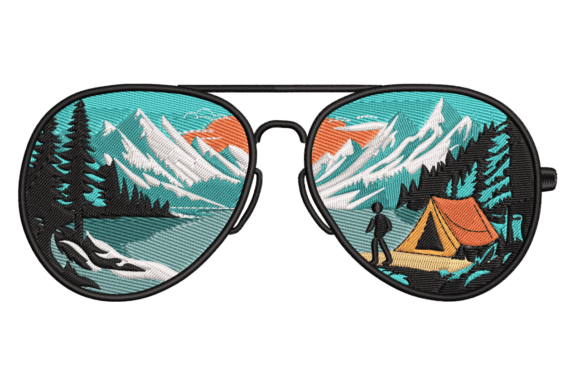
When I’m evaluating an embroidery design for real-world use, especially for client projects or my own shop merchandise, I look beyond the preview image. I think about how it will actually stitch out, what fabrics it will sing on, and ultimately, whether it will feel like a finished product worth the effort. So, let’s put the Mountain Camping Sunglasses design under that practical microscope.
First Impressions: Personality and Practical Potential
The first thing that strikes me about this machine embroidery design is its straightforward, friendly personality. It’s not overly ornate or trying to be a masterpiece; it’s a clear, character-driven graphic. The theme instantly creates a mood of relaxed outdoor fun. For someone in the Camping Fishing niche, or simply crafting for a lover of the outdoors, that’s a powerful starting point. The layout feels balanced, and the detail level appears manageable—not so sparse that it looks empty, but not so dense that it becomes a stitching challenge on thinner fabrics. This visual personality makes it a natural fit for projects that need a touch of whimsical, wearable branding.
Where This Design Will Shine in Your Projects
In my experience, a design’s true value is defined by its application. I immediately picture this on a sturdy canvas tote bag for a craft fair seller—it’s a statement that’s both decorative and functional. On a heavyweight cotton sweatshirt, it would make a fantastic personalized gift, perhaps for a father or an avid camper. I can also see it working beautifully on a child’s item, like a backpack or a baby blanket, where the playful sunglasses motif adds charm without being too complex.
For small business owners and Etsy sellers, this embroidery file is a solid asset for creating consistent small shop merchandise. Imagine a line of custom apparel: caps, aprons, and simple tees all featuring this same design. It builds recognizable branding. As a embroidered patch, it could be a standalone product or an add-on for jackets. On pillow covers or tea towels, it becomes a piece of holiday embroidery perfect for a cabin or a gift for an outdoorsy friend. The versatility here is its strongest selling point for creative entrepreneurs.
Navigating the Tricky Terrain: Where to Use Caution
Every design has its ideal conditions. For the Mountain Camping Sunglasses, I would proceed carefully on very small hoop sizes. If the design has any fine details, like tiny outlines on the sunglasses frames, they might lose clarity when miniaturized. Similarly, on highly textured fabrics or very stretchy fabric like lightweight jersey, achieving clean edges on the shapes might require extra attention to stabilizer choice and hooping technique.
Dark fabric backgrounds are a classic consideration. The design’s appeal hinges on good thread color contrast. If the preview uses lighter colors, testing on a dark scrap first is essential to ensure the cheerful mood translates. On curved surfaces like caps, the central, bold shape should generally work well, but always check the design’s intended orientation and hoop size compatibility for such projects. And for items destined for frequent washing, like kids’ clothes or kitchen linens, consider the overall stitch density. A design that’s too dense on thin fabric can become stiff and prone to wear.
How This Design Elevates Your Finished Product
From a professional standpoint, using a well-executed design like this directly impacts customer trust and product value. When stitched cleanly, it presents a polished, handmade product that feels intentional, not haphazard. This boosts giftability and professionalism. For a craft business, consistency across items—using the same design on a tote, a sweatshirt, and a patch—strengthens brand consistency. In Etsy listings or printable mockups, a crisp, recognizable design increases buyer engagement because the customer can instantly visualize the final item.
Practical Notes From the Embroidery Desk
Before you commit this to a client’s order or a batch of holiday gifts, here’s my standard protocol. First, always test the design on scrap fabric. Use both a light and a dark scrap to judge contrast. Inspect the stitched sample for any potential issues in small details or overly dense stitch areas. This is the moment to confirm your thread colors truly work.
- Run it in a black and white mockup to see if the composition holds its shape without color.
- Ensure you’re using a proper stabilizer for your chosen fabric texture.
- Critically, verify the design’s licensing terms. Can it be used for commercial embroidery projects where you sell the finished product? Is it clear for personal and commercial projects? Never assume.
- Finally, think about the end-use. Is this for a personalized gift or for boutique branding? That decision might influence your choice of fabric and thread quality.
The Mountain Camping Sunglasses design, based on its described personality and ease, has the hallmarks of a reliable digital embroidery file for makers. It invites you to think about projects realistically: a custom tote for a weekend market, a set of gift aprons for a family reunion, or a simple cap for a small shop. By approaching it with these practical considerations, you transform a digital asset into a tangible product that feels thoughtfully made, and that’s the ultimate goal for any designer or crafter at their machine.