Believe in Santa: A Design Review for Real Projects
First Impression: Elegance with a Heartwarming Touch
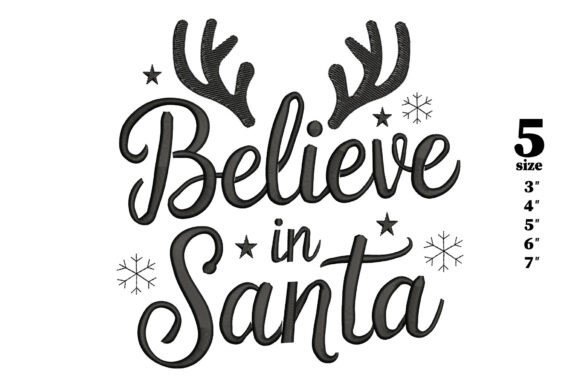
When I first looked at the Believe in Santa embroidery design, its mood struck me immediately. It’s not just festive; it carries a gentle, nostalgic charm. The layout feels balanced, with a visual personality that’s both elegant and approachable. This isn’t a loud, cartoonish holiday graphic. It’s something you could place on a heirloom-quality piece, and it would feel right. The detail level suggests it’s designed for clarity when stitched, which is exactly what I want before committing it to a client’s project or my own shop merchandise.
The Perfect Project Fit: From Boutique Gifts to Everyday Joy
In my workshop, I’m constantly matching designs to real items. Believe in Santa naturally belongs on projects where you want the embroidery to be the centerpiece of the gift. Imagine a custom embroidered linen pillow cover for a friend’s holiday home decor. Or a beautiful, muted sweatshirt for a cozy Christmas Eve. I picture it on a high-quality tote bag for a small shop’s seasonal release—it elevates the product. For baby items, like a little onesie or a nursery blanket, the design’s softer feel makes it a lovely, personalized gift without being overwhelming.
Where Its Appeal Really Shines
Let’s talk about a real case. Last week, I was preparing a batch of embroidered tea towels for a craft fair. I needed a design that was eye-catching but wouldn’t look cheap or garish on kitchen linen. Believe in Santa was a contender. Its presumed stitch structure—likely combining satin stitch for smooth lines and fill stitch for solid areas—means it can translate into a crisp, professional-looking finished product on that kind of fabric. On a dark background apron? With the right thread color contrast, it would pop beautifully and feel handmade in the best sense, increasing perceived value for a customer.
Performance in Real-Life Embroidery Situations
For apparel decorators and creative entrepreneurs, how a design performs is everything. On a standard sweatshirt or t-shirt, this design should stitch out cleanly if the file is well-digitized. For a patch, it would be fantastic, offering a complete, self-contained motif. On curved surfaces like caps, the key will be its density and scale—you’d need to check the provided hoop size suitability. For commercial embroidery projects, like a small run of holiday uniforms or boutique branding on towels, its elegance supports a professional brand consistency.
Considerations for a Smooth Stitch-Out
My practical designer notes always start with testing. Always run Believe in Santa on scrap fabric first, especially if you plan to use it on textured fabrics like sweaters or thin fabrics like certain blouses. Inspect the small details and any potential tiny lettering in the design for clarity. Dense stitch areas can be tricky on stretchy fabric without the correct stabilizer. I’d also test it in digital black and white mockups to see how it reads without color, and compare it on both light and dark fabric backgrounds in your software to plan thread palettes.
Spots to Use with Extra Care
While versatile, some applications require forethought. If the design has intricate decorative accents, very small hoop sizes might compress those details too much. Layered garments with seams or pockets nearby need careful placement to avoid puckering. For products that need frequent washing, like baby clothes or kitchen towels, reviewing the stitch density is crucial—too dense can make the fabric stiff and less durable. And, of course, for any dark fabric, your thread color choices and stabilizer use become paramount for stitching clarity.
How This Design Impacts Your Business
For Etsy sellers and handmade shop owners, using a design like this affects more than just the stitch. It influences customer trust. A clean, well-executed embroidery of Believe in Santa on your product photos speaks to your craftsmanship. It enhances giftability—this feels like a present someone would seek out. Its recognition factor is high, but its execution is what turns that into buyer engagement. For digital product sellers offering the file itself, its visual appeal in your printable mockups is your main selling tool.
Final Practical Notes Before You Hoop It Up
My final advice is always grounded in reality. Confirm the licensing before selling finished items or using it in commercial embroidery projects. The description mentions it’s high-quality and easy to stitch, which is promising, but you must verify the specifics for your use case. Check the listed file formats and machine compatibility for your equipment. Use proper stabilizer for your chosen fabric texture; don’t skip this step. And most importantly, let the design’s inherent elegance guide your project choice—it will look best on items where that heartwarming, eye-catching quality can truly shine, making your client or customer believe in the magic of a well-made embroidered product.