From a Designer's Desk: Dancing Christmas Trees Embroidery
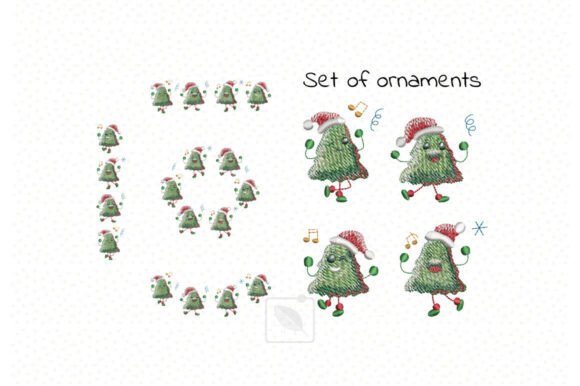
As I lay out my samples for the weekend craft fair, one design consistently grabs my eye from the worktable: Dancing Christmas Trees. It’s pure festive, cartoon charm. Those four pine trees in their Santa hats aren’t just standing—they’re dancing. This inherent movement and joy are the first ingredients for a successful craft fair product. It feels playful, cute, and unapologetically festive, landing squarely in the sweet spot for holiday shoppers looking for a dose of Christmas cheer.
Where Dancing Christmas Trees Shines on Products
Not every design translates equally across all mediums. For Dancing Christmas Trees, its success hinges on choosing products that complement its lively, decorative nature.
Tote bags and market bags are a prime canvas. The design acts as a bold focal point, making a plain bag a standout holiday accessory. On aprons and tea towels, it injects kitchen textiles with a fun, not-too-serious holiday vibe, perfect for gift-giving. As an embroidered patch, it offers versatility; customers love the idea of adding it to a jacket or backpack for personalized holiday flair.
For smaller items, caps present a challenge due to the curved surface, but if the embroidery file is sized appropriately, the dancing trees could be a delightful accent on the front or side. Fabric pouches and pillow covers are excellent choices, turning simple items into festive home decor or giftable handmade items. In the booth, a pillow cover featuring Dancing Christmas Trees becomes an immediate display anchor, drawing customers in.
Practical Production: Making It Work for Your Shop
Turning a great digital embroidery file into a sellable handmade product requires forethought. With Dancing Christmas Trees, several points demand a designer’s attention before batch production.
- Scale and Clarity: The design has multiple elements: four trees, hats, and implied motion. Test it at different sizes. As a small accent on a cap, tiny details might lose definition. It likely works best as a medium to large focal design on items like tote bags and aprons, where the playful poses can be fully appreciated.
- Stitch Density and Fabric: The dancing poses and hats may create areas of denser stitching. Always test on scrap fabric first, especially textured fabrics like tea towels. Use the correct stabilizer to prevent puckering. Good stitch density translates to perceived quality, but poor execution on thick or tricky fabric can undermine it.
- Thread Contrast and Color: The red Santa hats are a key feature. On dark fabrics like navy or black, you must ensure the thread colors have enough contrast to keep the design vibrant and readable. A quick test stitch-out on various fabric colors is non-negotiable.
- Photography and Online Sales: For your Etsy listings or online shop, this design photographs beautifully. Its clear, cheerful theme is easy to understand at a glance in a thumbnail, which is crucial for digital sellers. Creating at least one real, finished product mockup for photos—not just a printable mockup—shows the authentic handmade quality and texture.
The Selling Power: Why Customers Will Notice It
At a bustling craft fair, a product needs to communicate its value instantly. Dancing Christmas Trees does this through emotional appeal. It’s not minimal or rustic; it’s joyfully decorative. This makes it a strong candidate for impulse buys and gift purchases.
When arranged in a booth display—say, on a pillow cover next to embroidered tea towels—it creates a cohesive holiday section. The repetition of the design across different products (a tote bag, an apron, a patch) strengthens your brand’s booth identity and shows customers its versatility, increasing engagement.
It also adds perceived value. A well-embroidered, cheerful design on a simple tea towel elevates it from a utilitarian item to a premium holiday gift. For the creative entrepreneur, this means better pricing potential and stronger buyer engagement.
A Designer’s Final Checklist Before Production
Before you commit hoop time and thread to batch production for your craft fair products or small shop inventory, run through this final review.
- Confirm Technical Specs: Verify the embroidery file’s included hoop size recommendations and stitch count. If not provided in the design description, contact the digital asset seller. The right hoop size is critical for efficiency.
- Check Licensing: Absolutely confirm the commercial embroidery license allows you to sell finished products. This is fundamental for any business owner.
- Create a Physical Sample: Make one complete finished product, like a tea towel or tote bag. Inspect spacing, stitch integrity, and overall appearance. This sample will also be your best booth display piece and photography asset.
- Evaluate Batch Repeatability: Is the design efficient to produce multiple times? Consider thread color changes and any complex jump stitches. Dancing Christmas Trees, with its clear color blocks, likely offers good repeatability for batch production.
- Plan Your Booth Placement: Decide which product format (e.g., pillow cover versus patch) will be your headline display item to catch the most customer attention from a distance.
Dancing Christmas Trees is more than just a cute embroidery design; it’s a vehicle for holiday spirit. By pairing it with the right products and executing it with professional care, you transform a digital file into a tangible piece of Christmas cheer that customers will happily carry home from your booth. That’s the magic of a well-chosen craft fair product.